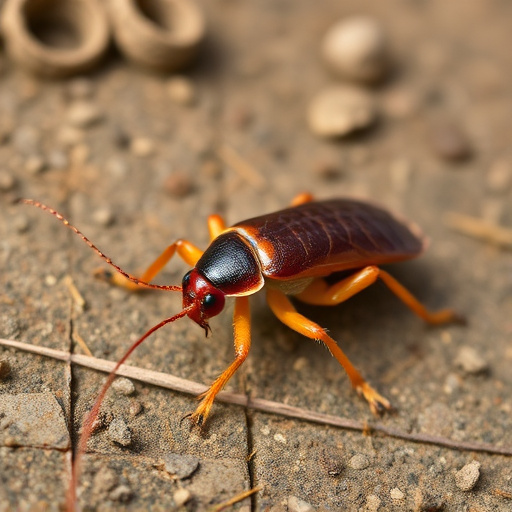
Understanding Roach Exterminator Tucson: A Comprehensive Overview
Introduction
Roaches are a common pest in both residential and commercial settings, and their extermination is a critical service provided by professionals in Tucson, Arizona. This article delves into the multifaceted world of roach extermination in Tucson, exploring its significance, historical context, and the role it plays in maintaining public health and safety. We will examine the global impact of roach infestations, economic considerations, technological advancements, policy and regulation, challenges and criticisms, and future prospects of this industry. Additionally, we will present case studies that highlight successful strategies and lessons learned. By the end of this article, readers will have a comprehensive understanding of the importance of roach extermination services in Tucson and how they contribute to the broader ecosystem of pest control.
Understanding Roach Exterminator Tucson
A roach exterminator in Tucson specializes in identifying, managing, and eradicating roach infestations using a variety of methods. These methods include baiting, trapping, chemical treatments, and habitat modification to prevent future infestations. The core components of effective roach extermination include knowledge of the biology and behavior of roaches, the use of safe yet effective chemicals, and an understanding of the local environment and climate.
Historically, roach extermination has evolved from rudimentary methods such as boric acid and traps to sophisticated integrated pest management (IPM) strategies that address the root causes of infestations. Tucson’s unique climate, with its hot summers and mild winters, presents specific challenges for roach control, making local exterminators particularly adept at handling such conditions.
Global Impact and Trends
The impact of roach infestations is not limited to Tucson; it is a global concern. Urbanization, increased international travel, and global warming have contributed to the spread of pests. Key trends shaping the trajectory of roach extermination include the development of environmentally friendly pesticides, the use of advanced monitoring and detection technologies, and the integration of community-based pest management programs.
Different regions are affected differently by roach infestations, with urban areas and tropical climates being particularly vulnerable. The global response to roach extermination involves a collaborative effort between local exterminators, governments, and international organizations to ensure sustainable and effective control measures.
Economic Considerations
The economic aspects of roach extermination are multifaceted. On one hand, the service generates revenue for local businesses and contributes to the economy. On the other hand, infestations can lead to significant financial losses for property owners due to damage and potential health code violations.
Market dynamics in Tucson’s pest control industry are influenced by factors such as population growth, climate change, and changes in housing patterns. Investment in research and development of new extermination methods is critical for maintaining competitive advantages and adapting to emerging challenges.
Technological Advancements
Technology has revolutionized the field of roach extermination. Innovations such as advanced baiting systems, heat treatments, and genetic monitoring have significantly improved the effectiveness of control measures. These advancements not only make extermination more efficient but also minimize environmental impact and potential health risks.
Future potential includes the development of biodegradable pesticides, AI-driven detection and treatment technologies, and the use of beneficial insects to naturally regulate roach populations. The integration of these technologies is expected to further enhance the efficiency and sustainability of roach extermination services.
Policy and Regulation
The governance of roach extermination in Tucson is shaped by a combination of federal, state, and local regulations. Policies dictate the use of chemicals, the handling of waste, and the training requirements for exterminators. These regulations are designed to protect public health, the environment, and the rights of property owners.
Legislative frameworks are continually evolving to address new challenges, such as the emergence of resistant roach species and the need for more sustainable practices. Compliance with these regulations is essential for reputable exterminators in Tucson to maintain public trust and ensure the safety of their services.
Challenges and Criticisms
The roach extermination industry faces several challenges, including the development of resistant roach species, concerns over the use of harmful chemicals, and the need for more integrated and sustainable pest management solutions. Critics argue that chemical-heavy approaches may be short-sighted and detrimental to the environment.
To overcome these issues, exterminators are encouraged to adopt a holistic approach that includes habitat modification, community education, and the use of biological controls. Actionable solutions include investing in research to develop new methods, promoting public awareness campaigns, and implementing responsible waste management practices.
Case Studies
Several case studies from Tucson illustrate successful applications of roach extermination services. One such case involved a restaurant that faced the threat of closure due to a severe infestation. By employing a combination of IPM strategies and timely interventions, the exterminator was able to eliminate the problem without compromising the establishment’s operations.
Another case study highlights the use of genetic monitoring to predict and prevent outbreaks before they become widespread. This proactive approach has proven effective in several neighborhoods, reducing the overall incidence of roach infestations.
Future Prospects
The future of roach extermination in Tucson is one of innovation and adaptation. The industry is likely to see a shift towards more sustainable practices that prioritize environmental and public health while effectively controlling roach populations. Technological advancements will play a key role in this evolution, offering new tools and methods for exterminators.
As the climate continues to change and urban environments evolve, the demand for professional pest control services is expected to rise. This presents an opportunity for the industry to lead by example, demonstrating how sustainable practices can be both effective and economically viable.
In conclusion, roach extermination in Tucson is a complex and evolving field that requires a combination of expertise, innovation, and regulation. The challenges it faces are significant but not insurmountable. With the right approach and commitment to sustainability, the industry can continue to protect public health and the environment while effectively managing roach populations. As we move forward, the lessons learned from past experiences will guide future efforts to ensure that Tucson remains a safe and healthy community for all its residents.
Roaches thrive in Tucson's warm climate, hiding in tight spaces and seeking food at night. To combat this, Tucson residents should focus on proactive prevention through cleaning, sealing entry points, and kitchen cleanliness. For infestations, consult a roach exterminator Tucson professional offering eco-friendly solutions like boric acid baits, essential oils, and beneficial insects. Adopting sustainable strategies, including proper sanitation and natural repellents, can effectively deter roaches while protecting families, pets, and the environment.
Tucson residents often face roach infestations due to the region’s unique climate. Understanding these pests’ behavior is key to effective eco-friendly control. This guide explores traditional and natural methods, focusing on solutions suitable for a roach exterminator in Tucson. From identifying common entry points to implementing sustainable prevention strategies, you’ll discover how to protect your home without harming the environment. Learn practical tips to keep these critters at bay naturally.
Understanding Roach Behavior in Tucson Homes

Roaches, despite their small size, are incredibly adaptable and resilient creatures, making them a common pest in Tucson homes. Understanding their behavior is key to effective roach control. These insects are known for their quick movement and ability to squeeze into tiny cracks and crevices, often finding shelter behind appliances, under cabinets, or within wall voids. Their nocturnal nature means they’re most active at night, scurrying around seeking food and mates.
Tucson’s warm climate provides an ideal environment for roaches, making it crucial for residents to be proactive in prevention and control. Regular cleaning, sealing entry points, and maintaining a clean kitchen are essential steps. When dealing with a roach infestation, it’s best to turn to a trusted roach exterminator Tucson professionals who can employ eco-friendly methods tailored to the specific situation, ensuring a safe and effective solution for both the home and its inhabitants.
Traditional vs Eco-Friendly Roach Control Methods

In the battle against roaches, homeowners in Tucson often turn to pest control services for relief. Traditional roach control methods typically involve synthetic chemicals that can leave behind harmful residues and potentially impact indoor air quality. These methods may offer quick results but raise environmental and health concerns, especially in homes with children or pets. On the other hand, eco-friendly roach control solutions prioritize natural, non-toxic approaches to manage infestations.
By opting for an eco-conscious pest management strategy, Tucson residents can effectively target roaches while minimizing potential risks. These methods include using boric acid baits, essential oils like peppermint and lavender, and beneficial insects that prey on cockroaches. An eco-friendly roach exterminator in Tucson may also recommend sealing entry points, maintaining cleanliness, and implementing good hygiene practices to disrupt the roaches’ life cycle. Such tailored, natural solutions provide a safer alternative for both homeowners and the environment.
Implementing Sustainable Roach Prevention Strategies

Implementing sustainable roach prevention strategies is a proactive approach that both homeowners and professional roach exterminators in Tucson can embrace. Instead of relying solely on chemical pesticides, which can have harmful effects on the environment and pets, focusing on ecological solutions keeps your home protected while promoting a healthier ecosystem. Starting with proper sanitation and sealing entry points helps deter roaches from finding their way inside. Regularly cleaning surfaces, storing food in airtight containers, and eliminating water sources are simple yet effective measures that disrupt roach habitats.
Additionally, using natural repellents like peppermint oil or diatomaceous earth can serve as non-toxic alternatives to conventional insecticides. These eco-friendly options not only repel roaches but also pose no risk to children or pets. By combining these strategies, Tucson residents can create an inhospitable environment for cockroaches while contributing to a more sustainable and safe living space.
When it comes to eco-friendly roach control in Tucson homes, understanding the insects’ behavior and implementing sustainable strategies is key. By choosing green methods over traditional chemicals, residents can effectively manage roach infestations while minimizing environmental impact. A roach exterminator in Tucson can guide homeowners in adopting natural prevention tactics, ensuring a pest-free home without compromising the health of their family or the local ecosystem. This approach not only promotes a safer living environment but also contributes to a greener and more sustainable community.