
Understanding Roach Exterminator Tucson: A Comprehensive Overview
Introduction
Roaches are a common pest in both residential and commercial settings, and their extermination is a critical service provided by professionals in Tucson, Arizona. This article delves into the multifaceted world of roach extermination in Tucson, exploring its significance, historical context, and the role it plays in maintaining public health and safety. We will examine the global impact of roach infestations, economic considerations, technological advancements, policy and regulation, challenges and criticisms, and future prospects of this industry. Additionally, we will present case studies that highlight successful strategies and lessons learned. By the end of this article, readers will have a comprehensive understanding of the importance of roach extermination services in Tucson and how they contribute to the broader ecosystem of pest control.
Understanding Roach Exterminator Tucson
A roach exterminator in Tucson specializes in identifying, managing, and eradicating roach infestations using a variety of methods. These methods include baiting, trapping, chemical treatments, and habitat modification to prevent future infestations. The core components of effective roach extermination include knowledge of the biology and behavior of roaches, the use of safe yet effective chemicals, and an understanding of the local environment and climate.
Historically, roach extermination has evolved from rudimentary methods such as boric acid and traps to sophisticated integrated pest management (IPM) strategies that address the root causes of infestations. Tucson’s unique climate, with its hot summers and mild winters, presents specific challenges for roach control, making local exterminators particularly adept at handling such conditions.
Global Impact and Trends
The impact of roach infestations is not limited to Tucson; it is a global concern. Urbanization, increased international travel, and global warming have contributed to the spread of pests. Key trends shaping the trajectory of roach extermination include the development of environmentally friendly pesticides, the use of advanced monitoring and detection technologies, and the integration of community-based pest management programs.
Different regions are affected differently by roach infestations, with urban areas and tropical climates being particularly vulnerable. The global response to roach extermination involves a collaborative effort between local exterminators, governments, and international organizations to ensure sustainable and effective control measures.
Economic Considerations
The economic aspects of roach extermination are multifaceted. On one hand, the service generates revenue for local businesses and contributes to the economy. On the other hand, infestations can lead to significant financial losses for property owners due to damage and potential health code violations.
Market dynamics in Tucson’s pest control industry are influenced by factors such as population growth, climate change, and changes in housing patterns. Investment in research and development of new extermination methods is critical for maintaining competitive advantages and adapting to emerging challenges.
Technological Advancements
Technology has revolutionized the field of roach extermination. Innovations such as advanced baiting systems, heat treatments, and genetic monitoring have significantly improved the effectiveness of control measures. These advancements not only make extermination more efficient but also minimize environmental impact and potential health risks.
Future potential includes the development of biodegradable pesticides, AI-driven detection and treatment technologies, and the use of beneficial insects to naturally regulate roach populations. The integration of these technologies is expected to further enhance the efficiency and sustainability of roach extermination services.
Policy and Regulation
The governance of roach extermination in Tucson is shaped by a combination of federal, state, and local regulations. Policies dictate the use of chemicals, the handling of waste, and the training requirements for exterminators. These regulations are designed to protect public health, the environment, and the rights of property owners.
Legislative frameworks are continually evolving to address new challenges, such as the emergence of resistant roach species and the need for more sustainable practices. Compliance with these regulations is essential for reputable exterminators in Tucson to maintain public trust and ensure the safety of their services.
Challenges and Criticisms
The roach extermination industry faces several challenges, including the development of resistant roach species, concerns over the use of harmful chemicals, and the need for more integrated and sustainable pest management solutions. Critics argue that chemical-heavy approaches may be short-sighted and detrimental to the environment.
To overcome these issues, exterminators are encouraged to adopt a holistic approach that includes habitat modification, community education, and the use of biological controls. Actionable solutions include investing in research to develop new methods, promoting public awareness campaigns, and implementing responsible waste management practices.
Case Studies
Several case studies from Tucson illustrate successful applications of roach extermination services. One such case involved a restaurant that faced the threat of closure due to a severe infestation. By employing a combination of IPM strategies and timely interventions, the exterminator was able to eliminate the problem without compromising the establishment’s operations.
Another case study highlights the use of genetic monitoring to predict and prevent outbreaks before they become widespread. This proactive approach has proven effective in several neighborhoods, reducing the overall incidence of roach infestations.
Future Prospects
The future of roach extermination in Tucson is one of innovation and adaptation. The industry is likely to see a shift towards more sustainable practices that prioritize environmental and public health while effectively controlling roach populations. Technological advancements will play a key role in this evolution, offering new tools and methods for exterminators.
As the climate continues to change and urban environments evolve, the demand for professional pest control services is expected to rise. This presents an opportunity for the industry to lead by example, demonstrating how sustainable practices can be both effective and economically viable.
In conclusion, roach extermination in Tucson is a complex and evolving field that requires a combination of expertise, innovation, and regulation. The challenges it faces are significant but not insurmountable. With the right approach and commitment to sustainability, the industry can continue to protect public health and the environment while effectively managing roach populations. As we move forward, the lessons learned from past experiences will guide future efforts to ensure that Tucson remains a safe and healthy community for all its residents.
Roach behavior in Tucson is driven by survival instincts, but natural enemies like predatory ants and spiders help control populations. Effective, sustainable roach exterminator Tucson naturally methods include maintaining cleanliness, sealing entry points, using natural repellents like boric acid and essential oils, and introducing beneficial insects to disrupt the roach life cycle. Consulting local pest control experts ensures tailored solutions for specific roach types.
Tucson residents often face challenges with roach infestations, impacting their quality of life and property value. These persistent pests can thrive in the region’s climate, making DIY solutions ineffective over time. It’s crucial to adopt comprehensive roach control methods that prioritize safety and environmental sustainability. This article provides an authoritative guide to effective roach extermination, highlighting natural strategies and the role of a qualified roach exterminator Tucson residents can trust. We’ll explore integrated pest management techniques, eco-friendly treatments, and prevention tips to ensure long-lasting relief from these unwelcome visitors.
Understanding Roach Behavior: Identifying Tucson's Natural Enemies

Roach behavior is a complex dance driven by survival instincts, making effective control a multifaceted challenge for Tucson residents. Understanding their habits is key to successful prevention and eradication strategies. These insects are highly adaptive, thriving in warm, moist environments with ready access to food and shelter. In Tucson’s unique ecosystem, roaches have found fertile ground, particularly in areas with abundant organic matter and consistent temperatures year-round.
The fight against these persistent pests requires an understanding of their natural enemies, which play a crucial role in maintaining ecological balance. Predatory ants, such as the Mediterranean and Caribbean crazy ants, are renowned for their effective roach control. These ant species aggressively hunt and consume roaches, making them valuable allies in the battle against infestations. Additionally, spiders, including the common house spider and the wolf spider, are natural predators that target roaches, especially in outdoor areas. Encouraging the presence of these beneficial insects through responsible land management practices can significantly contribute to roach extermination efforts.
Tucson residents have a powerful tool at their disposal in the form of roach exterminator Tucson naturally-focused solutions. Integrating eco-friendly methods into pest control regimens not only reduces environmental impact but also promotes a more sustainable and balanced approach. For instance, using boric acid or diatomaceous earth, both natural deterrents, can be effective in targeting roaches without harming beneficial insects. Furthermore, sealing entry points and maintaining cleanliness are essential strategies that work hand-in-hand with encouraging these natural predators. By embracing these holistic methods, Tucson residents can reclaim their spaces from roach invasions, enjoying a greener and more harmonious living environment.
Implementing Effective, Natural Roach Exterminator Tucson Solutions at Home
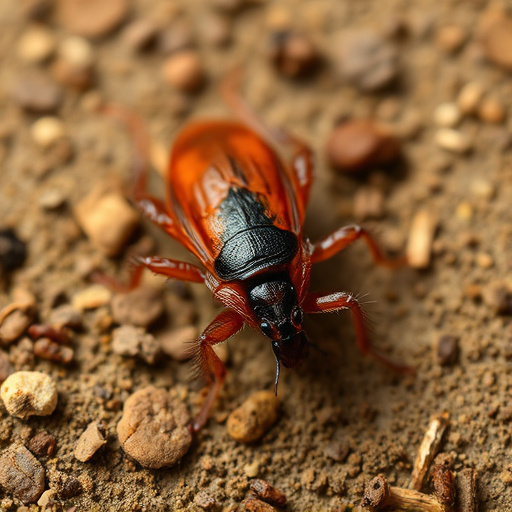
Tucson residents facing roach infestations can find effective, natural solutions without resorting to harsh chemicals. Implementing a comprehensive roach exterminator Tucson naturally approach involves understanding these insects’ behavior and utilizing specific methods that disrupt their life cycles while posing minimal risk to humans and pets. One powerful tactic is maintaining a clean environment, eliminating food sources and water access points. Regularly cleaning kitchen areas, sealing cracks and crevices, and storing items in airtight containers significantly reduces roach attractions.
Natural repellents like peppermint oil, cinnamon, and boric acid powder can be effective deterrents. These substances disrupt roaches’ scent trails and inhibit their growth. For instance, a study published in the Journal of Economic Entomology found that boric acid proved highly successful in controlling German cockroaches. However, application must be precise; these repellents should be strategically placed in areas where roaches are active but out of reach of children and pets.
Moreover, introducing beneficial insects like predator bugs (e.g., spider mites, nematodes) can be a safe, eco-friendly alternative to chemical treatments. These predators specifically target roaches, breaking their life cycle and preventing further infestations. Tucson residents should consult with local pest control experts or agricultural extension services for guidance on the most suitable natural methods based on their specific needs and the types of roaches plaguing their homes.
Tucson residents now possess a comprehensive toolkit to combat roach infestations naturally. By understanding roach behavior and leveraging Tucson’s natural enemies, homeowners can implement effective, eco-friendly solutions. Key takeaways include identifying and attracting beneficial insects like spiders and lacewings, using plant-based repellents, maintaining cleanliness, and sealing entry points. Embracing these strategies as a roach exterminator Tucson naturally allows for a safer, more sustainable approach to pest control while fostering a harmonious relationship with local ecosystems.